

close
Choose Your Site
Global
Social Media


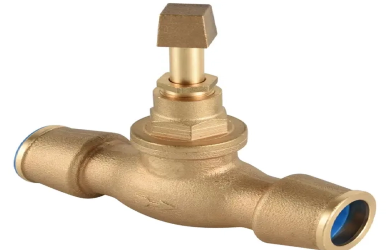
A stop valve is a crucial component in plumbing and industrial systems, designed to control or stop the flow of fluids or gases through a pipeline. These valves are typically installed in key locations of a system to isolate or regulate flow when necessary. Stop valves can be used in both residential and industrial applications, such as plumbing systems, oil pipelines, and HVAC systems.
Understanding how a stop valve functions, the different types, and their applications can help you choose the right valve for your needs, ensuring efficiency and reliability in your system.
A stop valve is essentially a device that either completely blocks or regulates the flow of fluid or gas within a pipeline. The basic operation involves a mechanism that moves (usually via a manual or automated process) to either allow or restrict the passage of material.
When the valve is fully open, the fluid or gas can pass through freely. When it is closed, the flow is entirely stopped. Some stop valves are designed with adjustable features, allowing for partial flow control rather than a full shut-off.
The working principle of a stop valve varies depending on the type of valve, but the basic concept remains consistent: control the flow of liquid or gas through a pipe. A typical valve body contains an internal element (e.g., a ball, gate, or globe) that opens or closes the passage when turned or actuated.
There are several different types of stop valves, each suited for specific functions and applications. Let’s break down the most common ones.
Globe valves are commonly used for regulating the flow of fluids. They have a spherical body shape with an internal baffle to guide the flow of material. Globe valves are ideal for applications where precise control over the flow is required.
Ball valves use a spherical closure element (ball) to regulate the flow. These valves are often used in systems requiring fast shut-off for gas or liquid flow. They are also known for their durability and reliability in high-pressure applications.
Gate valves are typically used to isolate flow within a pipeline, rather than to regulate it. The gate mechanism can either block or allow flow through the valve. Gate valves are particularly useful for applications requiring full opening or closing, with minimal resistance to flow.
Valve Type | Purpose | Best For | Operation Time | Control Level |
Globe Stop Valve | Flow regulation | High-precision control | Moderate | High |
Ball Stop Valve | Quick shut-off | Gas & liquid systems | Fast | Low to Moderate |
Gate Stop Valve | On/off isolation | Large diameter pipes | Slow | None (On/Off only) |
Stop valves are widely used in both residential and industrial systems. Depending on their type and design, they can be used for regulating flow, isolating sections of the system, or controlling the pressure and temperature within pipelines. Below are common applications for stop valves.
In domestic systems, stop valves are used to control the flow of water to various parts of the home, such as kitchens, bathrooms, and water heaters. These valves are typically installed at key junctions to allow homeowners to turn off water in case of a leak, for maintenance, or to replace plumbing fixtures.
In industrial settings, stop valves are used to control the flow of various fluids and gases. Whether in manufacturing plants, refineries, or power stations, stop valves play a crucial role in managing pressure and controlling fluid movement throughout complex piping networks.
In heating, ventilation, and air conditioning systems, stop valves are used to isolate sections of the system for maintenance or repair. They allow technicians to manage water and refrigerant flow without disrupting the entire HVAC setup.
In the oil and gas industry, stop valves are essential for controlling the flow of oil and gas through pipelines. These valves ensure that the flow is stopped in case of maintenance, emergencies, or system failures.
Stop valves come with several distinct advantages, making them an essential part of fluid control systems.
Stop valves provide excellent flow control, which is crucial for maintaining system stability and efficiency. Whether for regulating water in a plumbing system or isolating fluid in an industrial pipeline, stop valves help ensure smooth and efficient operation.
Certain stop valves, like ball valves, offer quick shut-off capabilities, which is vital in emergency situations. These valves ensure that flow is halted rapidly, preventing damage to the system or its surroundings.
Stop valves are relatively easy to install and maintain, particularly in systems that require periodic isolation or flow control. Regular maintenance ensures long-term durability and performance.
Stop valves are made from a variety of materials, each chosen based on the requirements of the application. Let’s take a look at the most common materials used.
Brass is commonly used for stop valves in domestic plumbing due to its corrosion resistance and ease of machining. Brass valves are durable and perform well in water and low-pressure systems.
Stainless steel is a popular choice for industrial applications, particularly in systems that deal with high pressures or corrosive fluids. Stainless steel valves are strong, durable, and resistant to a wide range of chemicals.
Bronze valves are often used in marine environments due to their excellent resistance to saltwater corrosion. They are also suitable for high-temperature applications.
Plastic valves, such as those made from PVC or CPVC, are cost-effective and resistant to many chemicals, making them ideal for lower-pressure systems and systems that transport non-corrosive fluids.
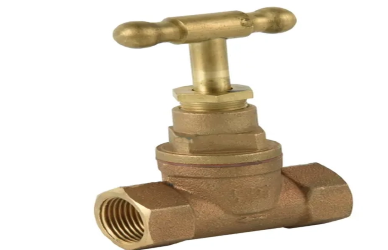
Selecting the right stop valve depends on several factors, including the type of fluid being controlled, the pressure rating, material compatibility, and the valve's function. Here are some key considerations when choosing a stop valve:
Ensure that the valve you choose can handle the pressure of your system. Stop valves come with different pressure ratings, so it’s crucial to match the valve’s specifications with your system’s requirements.
Different materials are suitable for different types of fluids and environments. For example, if you are controlling corrosive fluids, you may need a valve made from stainless steel or a specialized plastic material.
Ensure the valve size matches the diameter of the pipeline for optimal performance. A valve that is too small may not control the flow effectively, while one that is too large could cause pressure fluctuations.
Determine whether the valve will be used for flow regulation, isolation, or both. Some valves are better suited for on/off applications (e.g., gate valves), while others are designed for flow regulation (e.g., globe valves).
Proper maintenance is essential for ensuring that stop valves perform optimally throughout their lifecycle. Regular maintenance can prevent common issues such as leaks, corrosion, or difficulty in operation.
Performing regular checks on stop valves involves inspecting them for any signs of leakage, wear, or corrosion. It is also important to check the seals and moving parts to ensure they are functioning smoothly.
Leakage: If a valve is leaking, it may be due to worn-out seals or damaged internal parts. Regular replacement of seals can prevent leakage.
Corrosion: In certain environments, corrosion may occur, especially in valves made of brass or steel. Applying anti-corrosion coatings and using corrosion-resistant materials can help mitigate this.
Difficulty in Operation: If a valve becomes difficult to open or close, the mechanism may need lubrication or cleaning.
A stop valve is typically used for flow regulation, while a ball valve is used for quick shut-off and on/off operations.
Regular checks for leaks, corrosion, or difficulty in operation can help identify any problems. Smooth operation and no leakage are key indicators of a functioning valve.
Yes, but ensure you choose a valve rated for high-pressure applications to prevent failure or damage.
Yes, certain types of stop valves, like ball valves and globe valves, are commonly used in gas systems for controlling or shutting off gas flow.
In summary, stop valves are indispensable components in various systems, playing a critical role in controlling the flow of liquids and gases. Their ability to regulate flow, isolate sections of a system, and offer quick shut-off capabilities makes them essential for ensuring the efficient operation and safety of plumbing, industrial, and HVAC systems. Whether used in residential plumbing, high-pressure industrial pipelines, or complex HVAC setups, selecting the right type of stop valve is crucial for optimal performance. Proper maintenance, along with choosing the correct materials and valve types based on your system’s needs, ensures long-term reliability and prevents potential system failures. By understanding the various stop valve types and their specific applications, you can make informed decisions that promote the success, safety, and longevity of your systems, whether for personal or industrial use.


