

close
Choose Your Site
Global
Social Media
Views: 0 Author: Site Editor Publish Time: 2026-07-24 Origin: Site


Installing non-compliant valves in potable water systems exposes contractors and facility managers to severe legal liability. Failed municipal inspections and costly tear-outs can devastate a project budget overnight. The definition of "lead-free" changed drastically under the Safe Drinking Water Act (SDWA). This strict legislation makes older inventory and unverified imports a massive compliance risk. You must know exactly what enters your plumbing network. This article provides a concrete framework to verify valve compliance. We explore physical markings, certification standards, and material specifications. You will learn how to ensure safe procurement for critical infrastructure like water mains and plumbing fixtures.
The plumbing industry operated under very different rules before 2014. Historically, federal regulations allowed up to 8% lead content in plumbing fixtures. The Reduction of Lead in Drinking Water Act changed this standard dramatically. The updated SDWA mandate now enforces a strict maximum weighted average of 0.25% lead for wetted surfaces. This mathematical formula evaluates the wetted surface area of every internal component. You multiply the lead percentage of each part by its proportion of the total wetted area. This rigorous calculation prevents manufacturers from hiding high-lead components inside otherwise compliant valve bodies.
You must understand the exact scope of this regulation. The law applies to any valve anticipated for human consumption. This broad category includes drinking, cooking, and dishwashing systems. Faucets, water coolers, and municipal supply lines all fall under this mandate. Inspectors will flag any non-compliant component connected to these potable lines.
Many buyers hold a dangerous misconception regarding "zero lead" claims. They assume a compliant valve contains absolutely no lead. Engineering realities dictate otherwise. Manufacturers historically added lead to brass alloys to improve machinability. Lead acts as an internal lubricant during the cutting and threading process. Modern metallurgy allows for substitutes, but trace amounts of lead often remain. Recognizing that up to 0.25% lead remains legally acceptable helps separate aggressive marketing claims from actual engineering facts.
Visual inspection serves as your first line of defense on any job site. Reputable manufacturers stamp specific identification codes directly into the valve body during the casting process. Field workers can quickly identify these marks before installation.
Not all valves offer enough surface area for large casting marks. Smaller fixtures frequently rely on tagging and packaging indicators. Manufacturers attach durable hang tags or apply specific holographic stickers to the packaging. You must ensure field crews do not discard these tags prematurely. Once a worker removes the sticker, physical verification becomes incredibly difficult during an inspection.
Material visual cues also provide helpful hints. Lead-free brass alloys typically rely on bismuth or silicon as substitutes. Silicon brass often exhibits a slightly different color profile. It may appear lighter or have a unique surface finish compared to traditional red or yellow brass. However, you cannot use visual color as legally defensible proof of compliance. It only serves as a quick visual check for experienced installers.
Physical stamps and tags mean nothing without accredited third-party validation. You must look for specific certification marks to guarantee true compliance. The industry relies on two primary standards for potable water systems.
NSF/ANSI 61 governs health effects and leaching. This standard ensures the valve does not leach harmful contaminants into the drinking water. It tests for lead, but it also screens for other dangerous heavy metals and volatile organic compounds. NSF/ANSI 372 focuses entirely on material composition. It verifies the valve body and internal parts meet the strict 0.25% weighted average rule. A valve must pass both standards for complete potable water approval.
You should train your procurement team to recognize marks from accredited testing bodies. These organizations run rigorous laboratory tests before granting their seal of approval.
| Testing Agency | Common Certification Mark | Primary Verification Focus |
|---|---|---|
| NSF International | NSF-pw or NSF-372 | Potable water safety and lead content weighted average. |
| Underwriters Laboratories | UL Water Mark | Overall material safety and plumbing code compliance. |
| CSA Group | CSA (with low-lead indicator) | Canadian and US cross-border plumbing standard adherence. |
| IAPMO | UPC Shield (with crossed-out Pb) | Uniform Plumbing Code alignment and health effects testing. |
Inspectors actively search for these marks during site walk-throughs. If a valve lacks a recognized certification stamp, the inspector will demand technical cut sheets. Always cross-reference the physical mark with the manufacturer's official documentation.
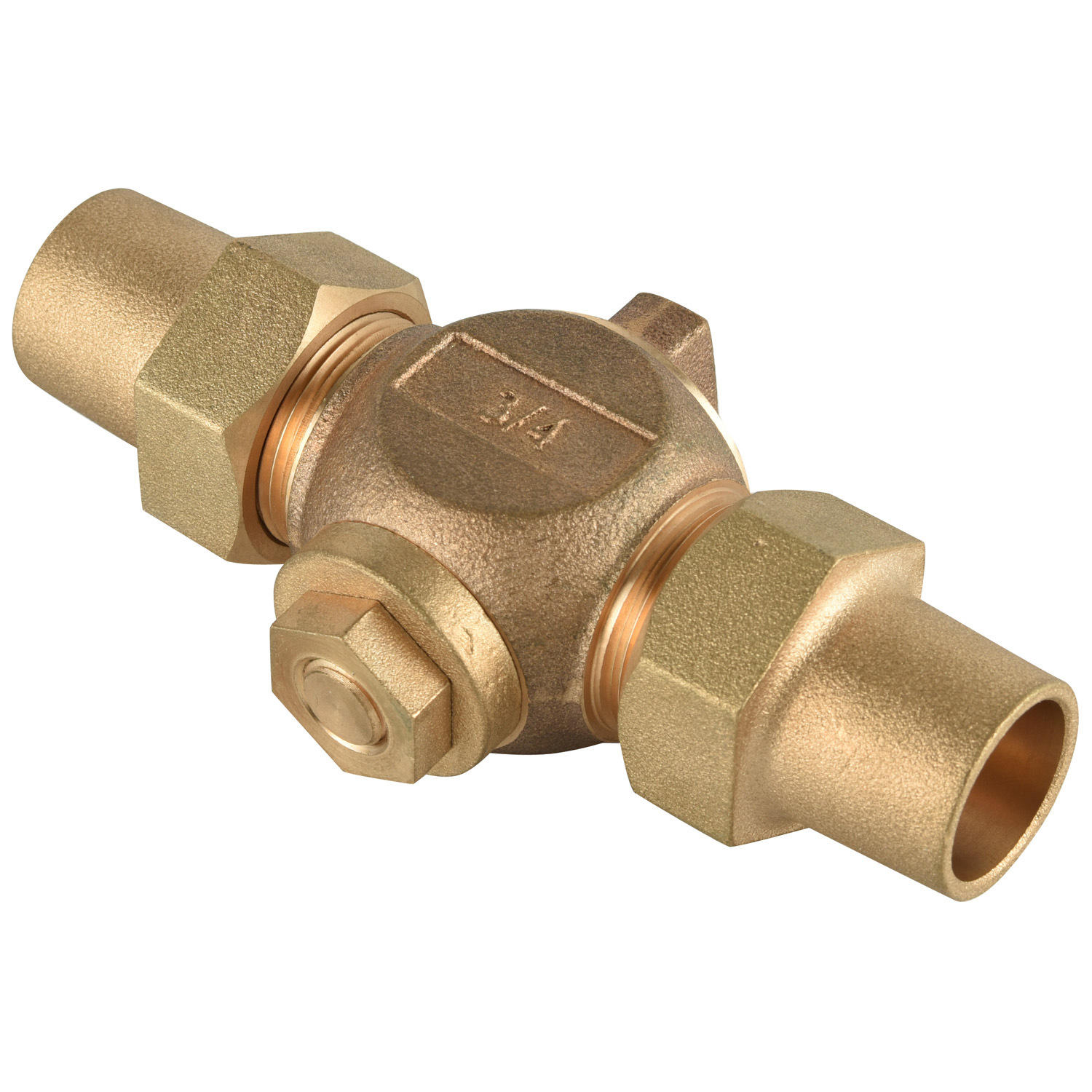
Municipal water networks face the highest level of regulatory scrutiny. The crucial transition point between a public water main and a private property service line carries immense risk. Plumbers and utility workers rely on specialized tapping components for this connection. Procuring compliant Corporation Stops is paramount to ensuring safe drinking water delivery. A single non-compliant tapping valve can contaminate an entire property's water supply.
Procurement scrutiny reaches its peak with underground utility infrastructure. Utility crews bury these tapping valves deep underground immediately following installation. Post-installation visual verification becomes physically impossible. You cannot simply dig up a paved street to check a casting mark. Therefore, you must execute strict submittal reviews before securing municipal approval. Engineers must supply verified technical sheets to the city inspector long before the trenching equipment arrives.
Implementation realities present unique challenges for field crews. Modern lead-free alloys behave differently than traditional leaded brass. Bismuth and silicon brass exhibit completely different torque limits. Traditional red brass easily forgives clumsy wrench work because it deforms slightly under pressure. Lead-free alloys resist deformation but can become brittle under extreme stress. Installers must adjust their tightening practices accordingly. Over-torquing a modern silicon brass valve can shear the body entirely. You must train your field crews to strictly follow manufacturer torque specifications to prevent catastrophic underground leaks.
The SDWA does not mandate zero-lead alloys for every single pipe and fitting in a building. The law outlines very specific exemptions based on the intended application. You must understand these boundaries to avoid overspending on specialty alloys where they are not legally required.
Non-potable applications remain explicitly exempt from the 0.25% rule. Valves installed in heavy manufacturing processes do not require lead-free certification. Strictly dedicated irrigation systems also fall outside this mandate. Fire suppression systems represent another major exemption. Sprinkler heads and main fire supply valves rarely dispense water for human consumption. You can legally procure traditional leaded brass for these specific networks.
Specific valve types sometimes earn exemptions based on size and placement. Gate valves measuring 2 inches and larger often qualify for exemptions. This applies only if you use them in specific main distribution scenarios where human consumption isn't the direct output. For example, a massive isolation valve buried under a street may qualify. However, you must always verify local codes first. Municipal authorities often override federal minimums. A city might demand entirely lead-free infrastructure regardless of the federal exemption list. Never assume an exemption applies without consulting the local plumbing inspector.
Securing a reliable supply chain requires strict internal protocols. You cannot leave compliance to chance or verbal promises. Procurement teams must adopt a rigorous vetting process to protect the business from legal liabilities.
Implementing these three steps eliminates guesswork. It establishes a verifiable paper trail and shields your organization from accidental non-compliance.
Identifying a lead-free valve requires far more than a quick glance at the brass casting. You must combine physical visual checks with rigorous documentation reviews. Spotting the "LF" stamp serves as a good starting point. However, validating the associated NSF/ANSI 372 certifications guarantees your legal safety. You cannot afford to cut corners when dealing with public health regulations.
Procurement teams and contractors should immediately audit their current inventory. Discard or clearly segregate any older, non-compliant stock to prevent accidental installation. Request updated, verified spec sheets from your primary distributors. Finally, update your standard operating procedures for ordering utility components. Treat critical transition components with the utmost regulatory respect to ensure seamless municipal approvals.
A: Swab tests exist but are largely qualitative and not legally defensible for commercial compliance. Third-party spec sheets are required. Chemical swabs only indicate the presence of lead on the surface, they do not calculate the legally required 0.25% weighted average.
A: No. Standard brass contains lead for machinability. You must specify "lead-free brass" when ordering. Manufacturers often utilize bismuth or silicon instead of lead to achieve compliance while maintaining necessary material strength.
A: No. The valve is only one component. Older pipes, solder, and upstream municipal lines can still introduce lead into the system. Upgrading a single valve does not eliminate systemic contamination issues.
A: It violates the SDWA, risking failed municipal inspections, mandated replacements at the contractor's expense, and potential fines. You also expose your business to severe civil liability if contamination occurs.


