

close
Choose Your Site
Global
Social Media
Views: 0 Author: Site Editor Publish Time: 2026-09-04 Origin: Site


A water meter box keeps your meter safe from weather, hits, and tampering. Picking the right type and material affects how long it lasts, how easy it is to reach, and local rules. A strong cover helps protect your meter. Your water meter box must handle stress from the environment. Many water meter boxes come in different sizes to fit different needs. This guide helps you compare choices for home or industrial use. Raising offers the Ductile Iron Water Meter Protection Box with Plast, Plastic Water Meter Protection Box with Locking Li, Cast Iron Water Meter Protection Box, Cast Iron And Plastic Water Meter Protection Box, and Plastic Water Meter Protection Box. Knowing these facts helps you pick the right protection.
Choose plastic for home yards; pick cast iron or concrete for driveways.
Match the box depth to your local frost line to prevent pipe freezing.
Verify local codes for required lid locks and load ratings.
A locking lid stops tampering and meets many country rules.
Buy from suppliers with ISO 9001 or CE certifications for quality.
A water meter box is a cover that protects your water meter. It keeps the meter safe from outdoor dangers and helps it work the right way.
The box protects your meter from rain, snow, and direct sunlight. It also blocks hits from lawnmowers, vehicles, or falling debris. A locking lid stops people from messing with the meter or stealing water. These jobs keep your meter accurate and help it last longer.
You can install these boxes below grade or bring them up to grade. A below-grade box sits underground and uses a cover at ground level. An at-grade box sits even with the surface so it is easier to reach. Both choices protect the meter. Your pick depends on your climate, soil, and how often you need to read the meter.
The right box matches your meter size and local conditions. A box that is too small traps moisture and causes rust. A box that is too weak cracks under heavy foot traffic. A poor fit also makes reading and repair hard.
Different places need different boxes. A home yard needs a light, easy-to-open box. An industrial site needs a heavy-duty box that handles vehicle loads. Local plumbing codes may require certain materials or locking lids. Picking the right box now stops costly replacements later. You also avoid fines for code violations. A quality box from a trusted supplier protects your investment for years.
You will find many types of water meter boxes on the market today. Each design solves a specific problem. Some boxes sit deep in the ground. Others rest at the surface for quick access. The shape also varies to fit different meters and spaces.
You can choose from round, rectangular, and square shapes. Round boxes work well for circular meters and pipe configurations. Rectangular and square boxes offer more room for larger meters and fittings. Several common series names help you identify standard options. The Yokebox (775 Series) provides a compact round design. The Longbox (776 Series) gives you a longer rectangular body. The CR Box (777 Series) offers a classic rectangular shape. The Meter Pit (7180 Series) delivers a deep round pit for below-grade use. These series names help you compare products across suppliers.
An underground water meter box sits below the surface. You install it deep enough to clear the meter and pipes. A meter box cover rests at ground level to seal the opening. This design keeps the meter safe from frost, lawn equipment, and foot traffic.
Below-grade installation means the box body stays entirely underground. You reach the meter by removing the cover. This setup works well in cold climates where freezing threatens pipes. The earth insulates the meter and prevents damage. You also gain protection from vehicles and vandals.
At-grade installation brings the box up to the surface level. The cover sits flush with the ground. You do not need to dig or reach down far. This option suits warm climates and areas with light foot traffic. It makes reading and servicing the meter faster.
The Meter Pit (7180 Series) is a classic underground water meter box. It uses a round vertical pipe design. You can order these pits in many depths to match your frost line. A locking lid adds security against tampering.
An above ground water meter box sits on top of the surface. You mount it on a wall, a pedestal, or a concrete pad. This type works well when digging is not possible. It also suits indoor installations in basements or utility rooms.
Surface-mounted boxes offer easy access for reading and repair. You do not need special tools to reach the meter. The cover opens with a simple latch or hinge. This design saves time for utility workers and homeowners.
These boxes come in rectangular and square shapes. The Longbox (776 Series) and CR Box (777 Series) fit many above-ground needs. You can also find round models for compact spaces. The Yokebox (775 Series) works well when you need a small footprint.
Material choice matters for above-ground boxes. Plastic models resist rust and cost less. Cast iron models handle heavy impacts and last longer. Your pick depends on your climate, traffic, and budget.
Both underground and above-ground types protect your meter. The right choice depends on your site conditions. Consider frost depth, traffic loads, and local codes before you buy. A quality water meter box from a trusted brand ensures years of reliable service.
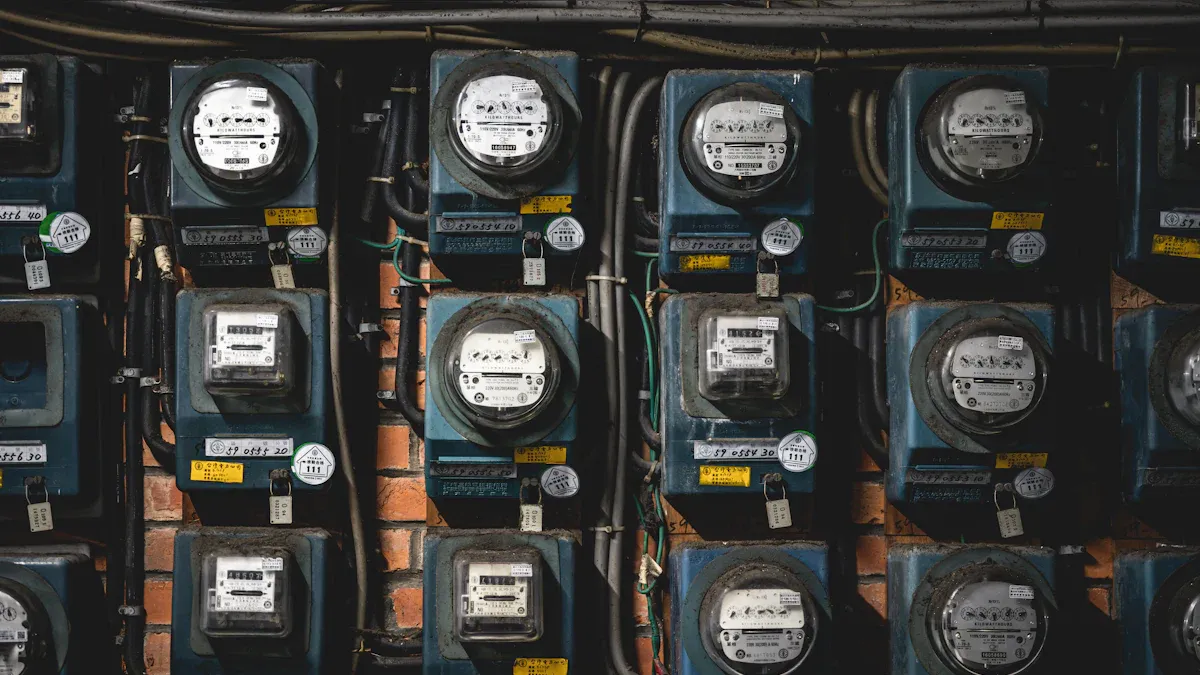
Homeowners and facility managers want different things from a water meter box. The difference between residential and industrial use affects size, strength, and security features. Knowing these differences helps you choose a box that works for your site.
A residential water meter box is often smaller and lighter than commercial models. Homeowners want a unit that hides the meter, opens easily, and resists rust. Most residential boxes use strong plastic like PVC or PP. These materials handle heat, cold, soil shifting, and ground acidity without cracking.
A typical residential unit has several key parts. The main enclosure holds the meter and may be circular, square, or rectangular. A metal cover sits flush with the ground. Some covers have locking mechanisms to stop tampering. Internal mounting points hold the meter at the right height for reading. Inlet and outlet fittings connect the service pipes. Drainage holes stop water buildup after heavy rain.
Feature | Supporting Detail |
|---|---|
Lockability | Lockable lids are required in regions such as Africa and Canada |
Easy access | Above-ground boxes allow quick readings; some lids include a reader window |
Durability | PP plastic boxes can withstand up to 1500 lbs |
Aesthetic design | Modern boxes blend with the home's surroundings |
An above ground water meter box works well in warm climates and makes reading easy. A buried unit works better in cold regions where frost threatens pipes.
An industrial water meter box must handle much heavier loads. These units need higher traffic ratings and heavier construction than residential models. You will find them in family life communities, electric power plants, oil and gas pipelines, and fire fighting systems.
Material choice drives performance here. Concrete gives maximum durability and serves as the municipal standard. Cast iron covers add traffic-rated strength for driveways and roadways. Ductile iron boxes meet the EN124 standard and carry CE and ISO9001 certification. They offer a hardness of HBS 170–230 and a service life beyond 20 years. Rubber sealing rings keep them leakproof, and anti-slip surfaces plus anti-theft locks add safety.
These types of water meter boxes resist corrosion, UV damage, and year-round weather. Secure access comes through locking and non-locking lid options. Multiple sizes fit different meter configurations. For more options, explore the Raising water meter box collection.
The material you pick decides how long your box lasts and how well it stands up to traffic. Companies make boxes from brass, bronze, and other metals. You can also find polymer, metal, and concrete choices for sale. Every material has its own good points for different places.
Plastic boxes are a light and low-cost pick for most homes. You can put one in without heavy machines. These boxes fight off rust and corrosion, so they work great in wet soil. A residential water meter box made of PP plastic can hold up to 1500 lbs of weight. That strength takes normal foot traffic and light garden tools.
Composite materials mix plastic with strengthening fibers. This blend adds stiffness without adding much weight. You get a strong box that resists cracking and UV damage. Many composite boxes also use recycled content, which draws in eco-friendly buyers.
Lid materials differ among plastic and composite models. Common choices include HDPE, polymer, polyolefin, polymer concrete, and polyethylene. Each lid type gives different levels of impact resistance and weather protection. A polymer concrete lid, for instance, holds heavier loads than a standard polyethylene cover. You should match the lid to your traffic needs.
Plastic boxes win at easy installation. You can cut them on site to fit pipe openings. They do not rust, so upkeep stays low over the years. But plastic may crack in extreme cold or under heavy vehicle loads. For those conditions, you need a stronger material.
Cast iron boxes give top durability for tough sites. These boxes take heavy traffic from trucks and tractors. A cast iron meter box cover resists bending and breaking under repeated loads. The material also fights corrosion when you apply the right coatings. Ductile iron boxes meet the EN124 standard and carry CE and ISO9001 certification. They offer a hardness of HBS 170–230 and a service life beyond 20 years.
Concrete boxes act as the municipal standard in many areas. They resist shifting soil and heavy loads without bending. You often see them in underground water meter box setups along roads. Concrete handles corrosion prevention well because it does not rust. The downside comes in weight. You need machines to move and set a concrete box.
Fiberglass boxes mix strength with lighter weight than concrete. They resist corrosion and UV damage. You can set one up in an above ground water meter box setup or bury it below grade. Fiberglass also takes less work to modify on site than concrete.
Installation differs across these materials. Plastic goes in fast with basic tools. Cast iron and concrete need more labor and equipment. For industrial sites, the extra work pays off in decades of reliable service. You can explore more options in the Raising water meter box collection.
Feature | Plastic | Cast Iron |
|---|---|---|
Weight | Light | Heavy |
Traffic rating | Light duty | Heavy duty |
Installation | Easy, hand tools | Requires equipment |
Corrosion resistance | High | Moderate with coating |
Lifespan | Good | 20+ years |
The material you pick decides how long your water meter box lasts and how often you need to fix it. A plastic box may need replacement sooner in tough conditions. A cast iron or concrete box often works for decades with little care. You save money over time when you choose a strong material that fits your site.
A cast iron box can handle heavy traffic without bending or cracking. These boxes resist rust when makers apply good coatings. You get a service life of more than 20 years in most industrial places. A standard cast iron box is about 20 inches long, 12 inches high, and 13 inches wide. It has mouse holes for pipe access. These sizes fit many home and light business meters.
Round meter boxes are large vertical round pipes. You can order them in 15, 18, 20, 21, 24, 30, 36 inches or bigger. Deeper boxes work well in cold climates where frost goes deep in the ground. A shallow box works in warm areas with mild winters. The right depth keeps your meter from freezing and getting hit.
Plastic boxes cost less at first and install with basic hand tools. You can cut them on site to fit your pipes. This low install cost attracts homeowners on a budget. But plastic may crack under heavy vehicle loads or extreme cold. Then you pay for replacement and possible water damage.
Cast iron and concrete boxes cost more to buy and install. You need equipment to move and set these heavy units. The higher upfront price pays off through fewer repairs and longer service. A good meter box cover from a trusted brand adds security and weather protection. For more options, check out the Raising water meter box collection.
Regular care matters for every box type. Check the cover for cracks and the lid for a tight seal. Clear debris from drainage holes to stop water buildup. These simple steps make your water meter boxes last longer and keep your meter accurate.
You need to match the box size to your meter and your access needs. A box that is too small traps moisture and speeds up corrosion. A box that is too large wastes money and may shift in the soil. Start by measuring your meter's length, width, and height. Add extra room for pipe fittings and shut-off valves. Then check the installation depth. An underground box must sit below your local frost line. This step keeps pipes from freezing in winter.
Safety matters just as much as size. A locking lid stops unauthorized people from opening the box. This feature protects your water supply and prevents tampering. You should also look for anti-slip surfaces on the cover. These surfaces reduce the chance of falls on wet days. For residential sites, a light plastic lid works well. For commercial areas, choose a heavy cast iron lid that handles foot traffic. Always keep the lid flush with the ground to avoid tripping hazards.
Building codes and regulations change from country to country. What works in one region may fail inspection in another. Some areas require locking lids on every water meter box. Other places demand specific materials for freeze protection. You must check your local plumbing code before you buy. This step saves you from fines and forced replacements later.
Many countries follow different standards for traffic ratings and load limits. For example, the EN124 standard sets load classes for covers used in driveways and roadways. Your supplier should provide proof that their boxes meet these standards. Ask for certification documents before you place an order. You should also confirm the required installation depth for your climate. A deep underground pit protects pipes in cold regions. A shallow at-grade box suits warm areas with mild winters. Regular maintenance checks keep your box compliant over time. Inspect the lid, the seal, and the drainage holes each season. These simple steps protect your meter and keep your system running.
Start by looking at your site. Climate is the first thing to think about. Cold areas need a deep underground box below the frost line. Warm areas work fine with a shallow box at ground level. Next, check the traffic load. A home water meter in a quiet yard only needs light-duty strength. A driveway or road needs a heavy cast iron or concrete model that meets EN124 load classes.
Installation depth also matters. Measure your frost depth and pipe layout before you shop. Then pick a box that fits your meter and fittings. A box that is too small traps moisture and makes rust worse. A box that is too large wastes money and may move in the soil.
For outdoor use, look for designs that handle weather and hits. These features guard the meter against rain, snow, UV rays, and bumps. A locking lid adds safety against tampering. Check that the cover sits even with the ground to stop trips. Plan for upkeep by choosing a box with drainage holes and a cover you can remove.
Buy from a supplier who checks quality at each step. Ask how the box is made. Injection or compression molding gives exact size, even walls, and even thickness. Look at the surface for smoothness, rough edges, and cracks. Anti-slip treatment helps in rain or snow. All parts should fit tightly with sealed joints. A normal service life should reach at least 15 years.
Check the supplier's papers before you buy. Look for ISO 9001, UL, CE, WRAS, and WATERMARK labels. Annual SGS third-party checks and BV test reports add more proof. A serious maker also runs labs with a spectrometer, projector, salt spray tester, product life tester, and metal testing tools.
Raising, from Ninghai Raising Copper Industry Co., Ltd., offers trusted choices for every need. The Ductile Iron Water Meter Protection Box with Plastic Lid (NR-W013) mixes strength with light weight. The Plastic Water Meter Protection Box with Locking Lid (NR-W010) adds safe access. The Cast Iron Water Meter Protection Box (NR-W009) gives heavy-duty strength. The Cast Iron and Plastic Water Meter Protection Box (NR-W012) joins both materials. The Plastic Water Meter Protection Box (NR-W011) gives a rust-proof, low-cost option. You can see the full Raising water meter box collection to compare models.
Picking the right water meter box means matching the type and material to your site. Plastic boxes work well for light home use, while cast iron and concrete models handle heavy traffic and tough weather. Your climate, traffic load, and local rules all shape the best choice. A locking cover adds safety against tampering. Before you buy, check your local guidelines and compare trusted suppliers. Always verify local codes before you order. Raising offers strong water meter boxes for every need, from plastic to ductile iron. Explore the Raising water meter box collection to find the right fit for your project.
Measure your meter's length, width, and height first. Add room for fittings and valves. Round pits come in 15, 18, 20, 21, 24, 30, and 36 inches or larger. A standard cast iron box runs about 20 inches long, 12 inches high, and 13 inches wide. Match the depth to your local frost line.
Cast iron and concrete give the longest service. Ductile iron boxes meet the EN124 standard and last beyond 20 years. Plastic costs less and resists rust well. A residential plastic box can hold up to 1500 lbs. Pick based on traffic load, climate, and budget.
A locking lid stops tampering and water theft. Some regions, such as parts of Africa and Canada, require lockable lids by code. Check your local plumbing rules before you buy. A secure cover also keeps children and animals out of the pit.
Yes. An above-ground box works well in warm climates and indoors. It makes meter reading fast and simple. A buried box suits cold regions where frost threatens pipes. Both types protect your meter. Your site conditions decide the better option.
Buy from a supplier with ISO 9001, CE, or WRAS certification. Ask for SGS or BV test reports. Raising offers ductile iron, cast iron, and plastic models for many uses. Browse the full Raising water meter box collection to compare options.


